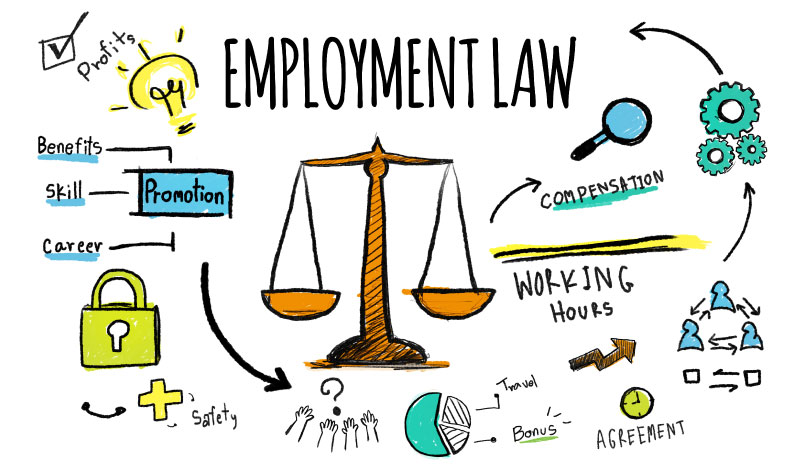
Employment law is a dynamic and multifaceted area of legal practice, shaped by evolving regulations, diverse workforce expectations, and rapidly changing workplace environments. Legal professionals and organizations alike face numerous legal challenges in employment law that require careful navigation to ensure compliance, protect employee rights, and minimize litigation risks. This comprehensive article explores the key legal challenges currently confronting employers and employment lawyers and offers guidance on addressing them effectively.
Understanding the Complexity of Employment Law
Employment law governs the relationship between employers and employees, covering a wide range of issues such as hiring, workplace conduct, wages, benefits, termination, and dispute resolution. The legal landscape is complicated by overlapping federal, state, and local laws, as well as evolving court decisions and regulatory guidance. This complexity presents a foundational challenge for all stakeholders striving to remain compliant and fair.
Key Legal Challenges in Employment Law
1. Compliance with Anti-Discrimination Laws
One of the most significant challenges employers face is adhering to laws that prohibit workplace discrimination. These include:
- Title VII of the Civil Rights Act, prohibiting discrimination based on race, color, religion, sex, and national origin.
- The Americans with Disabilities Act (ADA), protecting employees with disabilities.
- The Age Discrimination in Employment Act (ADEA), safeguarding workers aged 40 and over.
- Emerging protections related to gender identity, sexual orientation, and genetic information.
Employers must develop clear policies, conduct training, and implement unbiased hiring and promotion practices to reduce discrimination risks.
2. Navigating Wage and Hour Laws
Ensuring compliance with wage and hour laws remains a persistent challenge. Issues include:
- Proper classification of employees versus independent contractors.
- Adherence to minimum wage, overtime pay, and break requirements under the Fair Labor Standards Act (FLSA).
- Managing exemptions for executive, administrative, and professional employees.
- Tracking hours accurately in remote or flexible work environments.
Failure to comply with wage and hour regulations can lead to costly lawsuits, back pay claims, and penalties.
3. Handling Employee Privacy and Data Protection
With technology’s growing role in the workplace, privacy concerns have intensified. Employers grapple with:
- Monitoring employee communications and internet usage without violating privacy rights.
- Complying with laws protecting personal data, such as the General Data Protection Regulation (GDPR) for companies operating internationally.
- Balancing workplace safety with individual privacy during drug testing and health screenings.
Employers must implement transparent policies, secure data handling procedures, and stay updated on privacy legislation.
4. Managing Workplace Harassment and Creating Safe Environments
Addressing sexual harassment and hostile work environments is critical. Legal challenges include:
- Investigating allegations promptly and thoroughly.
- Protecting complainants from retaliation.
- Training management and staff to recognize and prevent harassment.
- Adapting policies to meet the standards set forth by evolving legal interpretations and #MeToo movement influences.
A proactive approach to harassment prevention helps reduce liability and promotes a respectful workplace culture.
5. Adapting to Remote Work Legalities
The COVID-19 pandemic accelerated the adoption of remote work, bringing new legal considerations:
- Ensuring compliance with occupational health and safety standards offsite.
- Addressing wage and hour laws for remote employees across different states or countries.
- Revising employment contracts and policies to reflect remote work expectations.
- Protecting confidential information in home office setups.
Employers must craft adaptable policies and remain vigilant to emerging legal guidance regarding telework.
6. Handling Employee Termination and Wrongful Discharge Claims
Termination remains a sensitive and legally fraught area. Challenges include:
- Understanding the at-will employment doctrine and its exceptions.
- Documenting performance issues and disciplinary actions clearly.
- Avoiding discriminatory or retaliatory termination.
- Complying with the Worker Adjustment and Retraining Notification (WARN) Act in mass layoffs.
Proper termination practices and legal counsel are essential to mitigate wrongful discharge claims.
7. Ensuring Compliance with Leave and Accommodation Laws
Managing employee leave entitlements and accommodations involves navigating:
- The Family and Medical Leave Act (FMLA) and comparable state laws.
- Reasonable accommodations under the ADA.
- Paid sick leave and other emerging leave mandates.
- Balancing operational needs with employee rights.
Developing clear policies and maintaining open communication channels help prevent disputes.
Strategies for Overcoming Employment Law Challenges
To successfully manage these legal challenges, employers and legal practitioners should:
- Stay informed: Regularly update knowledge on federal, state, and local employment laws.
- Implement strong policies: Develop clear, accessible workplace policies aligned with current laws.
- Train employees and management: Conduct ongoing education on legal compliance, discrimination, harassment, and workplace conduct.
- Engage in early dispute resolution: Address conflicts promptly through mediation or internal processes.
- Leverage technology: Use HR management systems for tracking compliance, documentation, and training.
- Seek expert legal advice: Consult with employment law specialists to navigate complex or high-risk situations.
Conclusion: Navigating Employment Law with Confidence
The landscape of employment law is continuously evolving, presenting complex legal challenges that require vigilance, expertise, and proactive management. By understanding the core issues — from anti-discrimination compliance to remote work regulations — and adopting robust policies and training, employers can minimize legal risks and foster productive, lawful workplace environments.